
The Porto Edit

Porto, as We Know It

Not a guide. Not a list. A way of moving through the city — slowly, with intention. Updated when Porto warrants it.


March 6, 2025

The weight of granite in Baixa

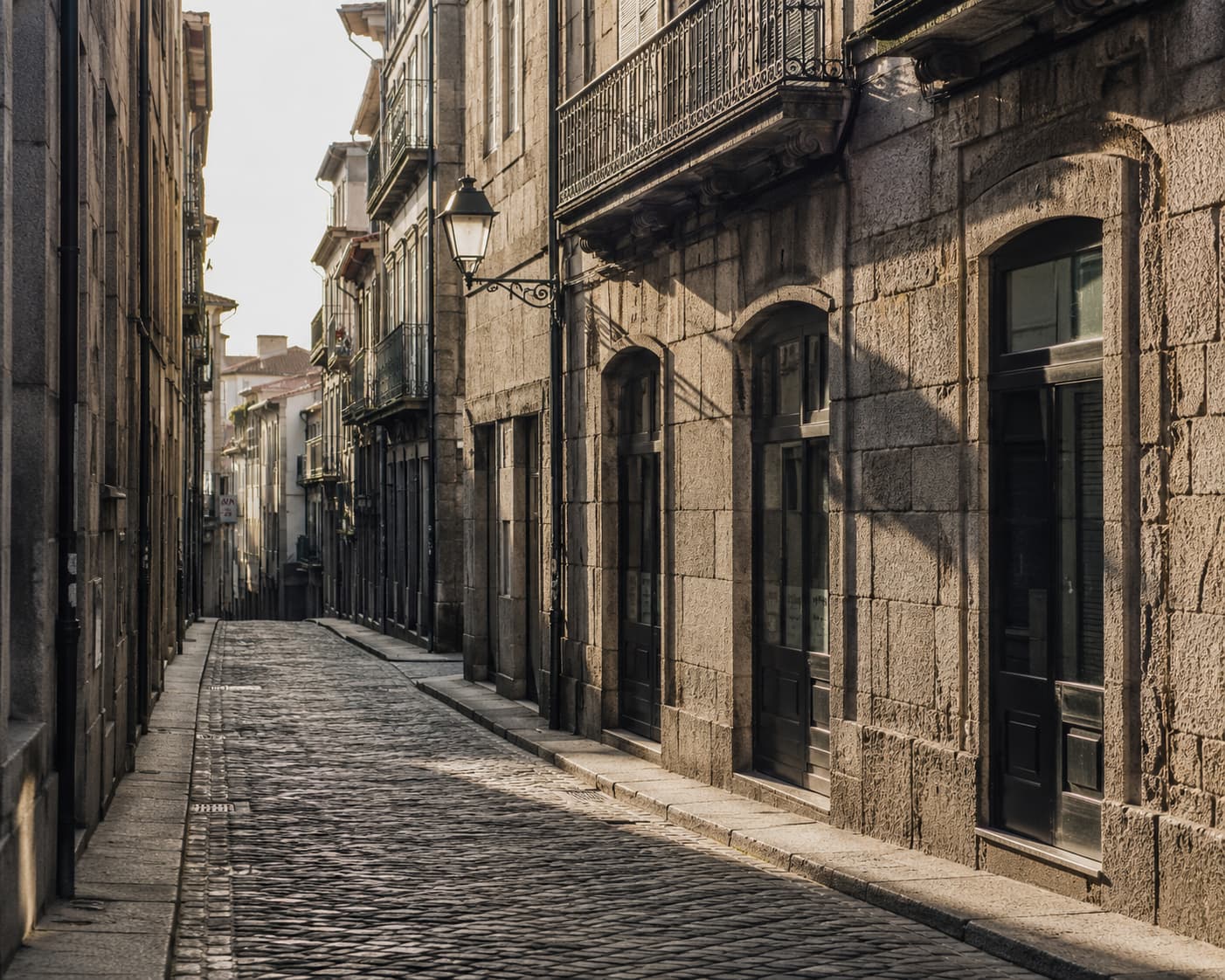
Porto does not perform its age. It carries it — in the grain of the stone, in the width of a doorway, in the particular silence of a street at midday.

Baixa is not the Porto of postcards. It is the Porto of early mornings and closed shutters, of granite that holds the cold long after the sun has moved. Walk it without a map. The street grid is loose enough to surprise, tight enough to keep you.

The buildings here were not designed to impress. They were designed to last. That is a different intention, and you feel it. A façade that has stood for two hundred years asks nothing of you — it simply is. There is a lesson in that.

Start at Rua de Mouzinho da Silveira and walk toward the river without turning. Note what the light does to the stone between ten and eleven in the morning. Return at four in the afternoon. It will be a different city.
 

February 24, 2025

Where to eat when the city is quiet

The best meal in Porto is rarely the one with a reservation. It is the one you find when the obvious options are closed and you are hungrier than you planned.

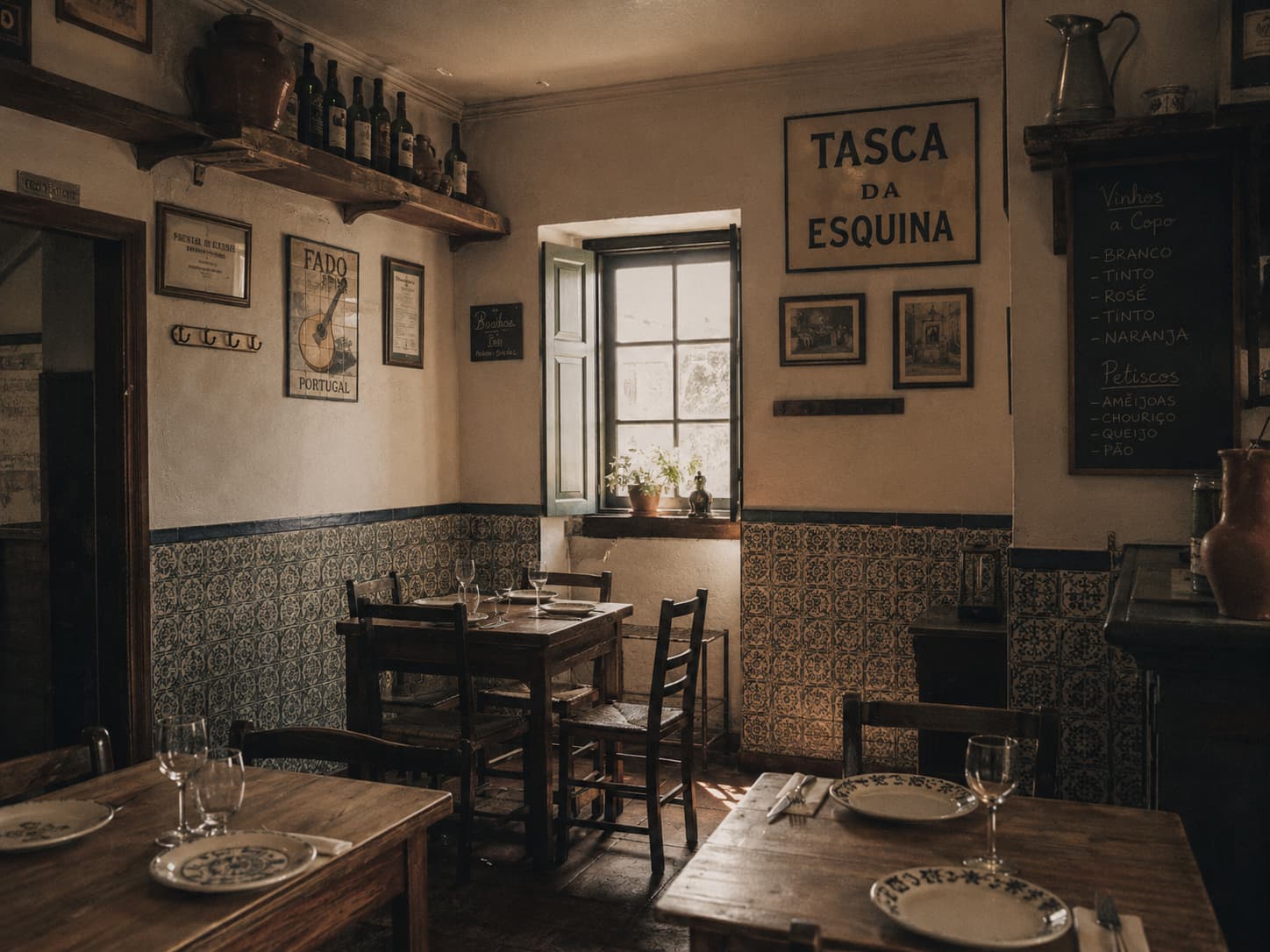
There is a kind of tasca that only exists in Porto. Small, dark, tiled. A chalkboard menu that changes when the market does. The wine is local and cheap and better than it has any right to be. No one is performing hospitality — they are simply feeding people, as they have done for decades.

Brasão on Rua do Almada is the exception that proves the rule — a restaurant that has earned its reputation without chasing it. The francesinha here is not a tourist dish. It is a city’s history on a plate. Order it once, seriously, at lunch.

For mornings, walk to Mercado do Bolhão before nine. Buy something you do not need. It is worth the conversation.

February 24, 2025

How the river changes in winter

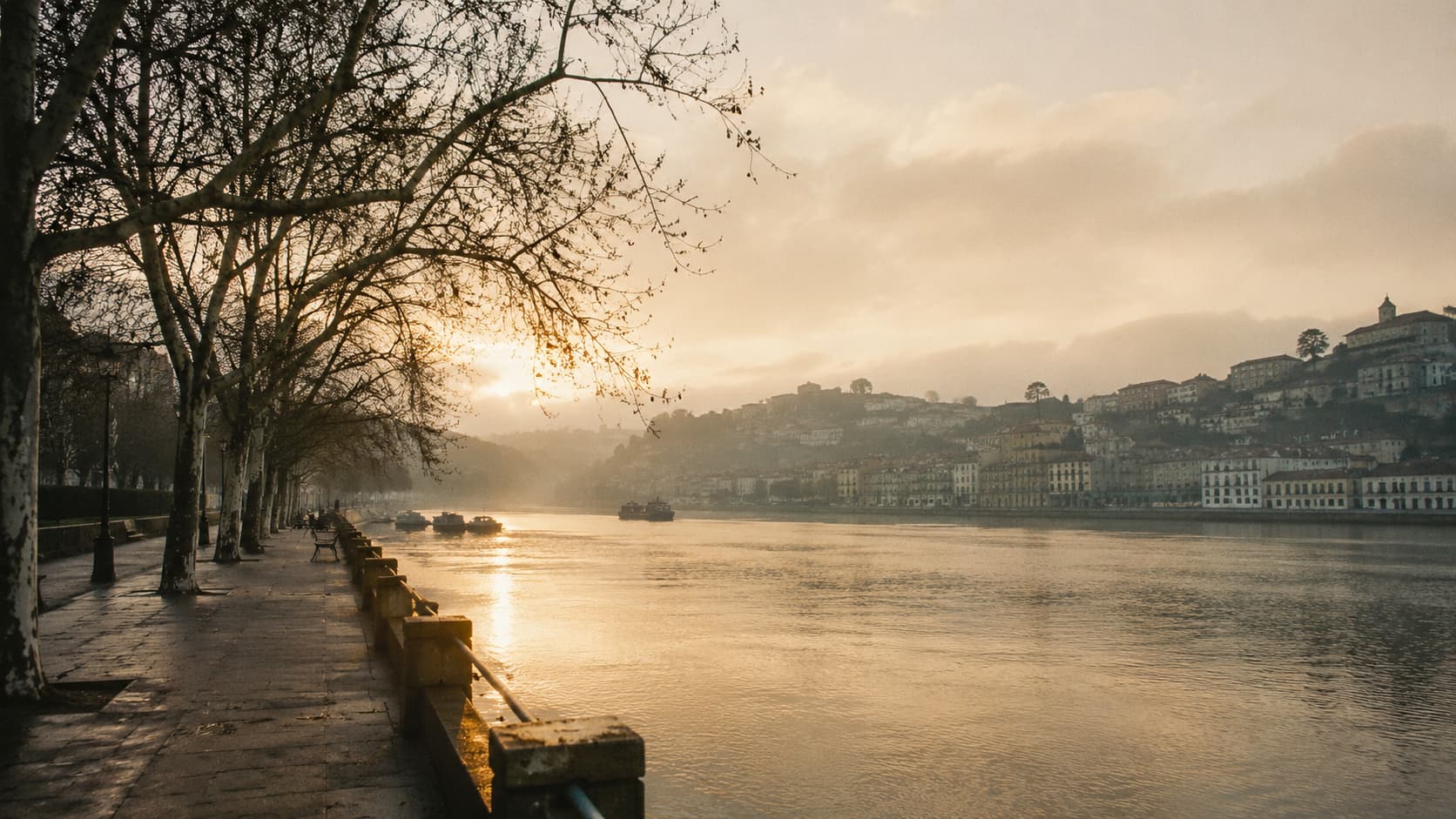
Porto in winter is not diminished. It is clarified. The tourists leave, the light flattens, and the city reveals a version of itself that summer visitors never see.

The Douro in January is a different river. The colour shifts — from the blue-green of summer to something closer to pewter, moving slowly, carrying the weight of the rain that came before it. Stand on Ponte Luís I at dusk and watch Vila Nova de Gaia lose its outline. There is nothing to photograph. That is the point.

Winter light in Porto is low and lateral. It enters rooms at an angle that summer never allows. In the suites that face the garden, this is when the space feels most itself — the courtyard stripped of its summer density, the stone visible, the shadows long and deliberate.

Come in February if you can. The city is preparing for something — you can feel it without knowing what.